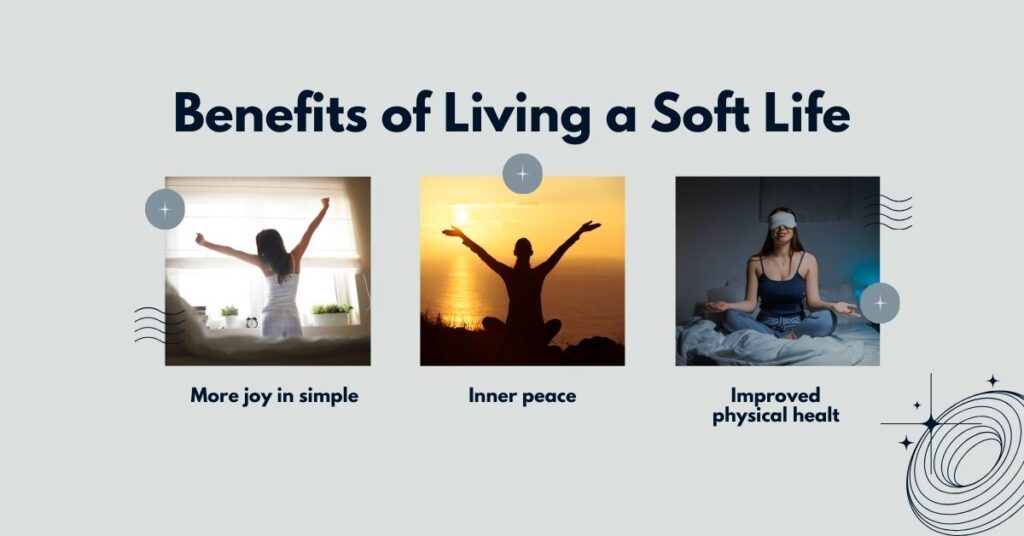

You slow down in life by making one small, intentional choice at a time, not by changing everything overnight. When you create space in your schedule, protect your attention, and notice where your time goes, your days begin to feel calmer and more in your control.
Most people rush through their days without realizing it. They eat while scrolling, talk while thinking about the next task, and rest while feeling guilty. However, real slowness is not about doing nothing. It is about being fully present in what you are already doing.
Why Slowing Down Is Hard
Modern life is built to keep you busy. Every notification, packed schedule, and social media scroll trains your brain to crave constant stimulation. Over time, stillness starts to feel uncomfortable, even wrong.
Research shows that people who appear busy are often perceived as more important and capable. So the cycle of busyness continues, even when it is making you miserable. This is not a personal failure. It is simply a sign that you need to reset.
Signs You Need to Slow Down
- • You feel tired even after rest
- • Your mind never feels quiet
- • Small tasks feel heavy
- • Your patience feels shorter
- • You rush conversations
- • You multitask during meals
- • You forget daily moments
- • You feel constantly on edge
- • You feel easily overwhelmed
- • Your days feel rushed but empty
What Slowing Down Really Means
Slowing down in life doesn’t mean sacrificing productivity; it means bringing greater presence to your tasks and making routines calmer and more effective.
If you want to explore how this mindset connects with living more gently and intentionally, you can read more about the soft life approach here https://growwithmeh.com/what-is-soft-life/
Moreover, slowing down gives you a moment to pause before reacting, which helps you respond thoughtfully rather than automatically. Over time, this shift creates a sense of control that constant rushing never provides.
Start With Your Mornings
Your morning quietly sets the emotional tone for your entire day, so when it feels rushed, the rest of your day often follows suit. That is why creating a calmer start can have a surprisingly strong effect.
For example, when you spend even a few minutes in silence, stretching, or simply breathing slowly, your mind wakes up more gently. As a result, you carry a steadier energy into everything that follows.
Stop Multitasking
Multitasking often feels efficient, yet it keeps your attention fragmented and your mind slightly tense. Studies suggest the brain becomes up to 40 per cent less efficient when you multitask. When you shift to single-tasking, you give your brain permission to slow down naturally.
As you complete tasks with full focus, you may notice a sense of satisfaction that rushing never provides. In addition, your work often improves because your attention is no longer divided.
Reduce Digital Noise
Your mind responds to every alert as if something urgent is happening, keeping your stress levels slightly elevated. Therefore, reducing notifications can instantly create a calmer mental environment.
When you check messages at scheduled times rather than constantly, you begin to feel more in control of your attention. This small boundary makes your day feel less reactive and more intentional.
Learn to Say No
A slower life often begins with fewer commitments, yet saying no can feel uncomfortable at first. However, every time you automatically say yes, you give up time you might need for rest or other priorities.
When you start choosing commitments more carefully, you create breathing room in your schedule. Gradually, you realize that protecting your time is not selfish; it is necessary.
Build Small Daily Rituals
Tiny daily rituals are one of the most effective ways to slow down. These are quiet moments you protect for yourself, not grand gestures or long meditation retreats. For example, sitting outside with coffee for five minutes before anyone else wakes up counts.
The ritual itself matters less than doing it consistently. Over time, your body begins to crave that calm instead of constant stimulation. You are not adding more to your day. You are protecting a small part of it.
Simplify Your Routine
Too many choices throughout the day quietly drain your mental energy, which is why simplifying routines can feel so freeing. When you remove unnecessary steps, your day flows more smoothly.
For instance, grouping similar tasks or creating simple habits reduces the number of decisions you need to make. As a result, your mind feels less cluttered and more focused.
Connect With Your Body
Your body often notices stress before your mind does, so paying attention to physical signals helps you slow down earlier. When you pause to notice your breathing or tension, you reconnect with the present moment.
Gentle movement, such as stretching or walking slowly, releases built-up stress and grounds your attention. As a result, you feel calmer, both mentally and physically.
Cut Back on Screens
Screens pull you out of the present moment faster than almost anything else. Checking your phone first thing in the morning trains your brain to stay in reactive mode all day. In addition, scrolling before bed makes it harder to wind down.
Try checking your email only two or three times a day instead of constantly. Put your phone in another room during meals. Pick one day each week to go screen-light. These small boundaries add up to real breathing room.
Get Outside Daily
Nature has a measurable effect on stress. Research published in Frontiers in Psychology found that spending just 10 to 30 minutes outdoors can lower cortisol levels, reduce blood pressure, and slow your heart rate. You do not need a park or hiking trail. A sidewalk, a backyard, or a bench outside a coffee shop works.
Walking outside without headphones is especially powerful. It focuses your attention on what is around you rather than on what is in your head. For a few minutes, the mental noise quiets down, and that is genuinely helpful.
Simplify Your To-Do List
A long to-do list is not a productivity tool. It is an anxiety trigger. When everything feels urgent, nothing actually is. A 20-item list leaves you feeling behind, no matter how much you finish.
Instead, pick three things each morning that genuinely need to get done. Give those your real attention. Anything else you complete is a bonus. This simple approach fosters a sense of completion rather than an endless sense of falling short.
Create Calm Evenings
Just as your mornings set the tone for your day, your evenings prepare your mind for rest, so a calmer night routine helps you slow down overall. When you reduce screen time and choose quieter activities, your mind gradually unwinds.
This transition signals your body that it is safe to relax, which improves sleep quality. Better rest then makes it easier to maintain a slower pace the next day.
Create a Personal Pace
Everyone has a natural speed that feels sustainable, yet you may ignore it when trying to keep up with others. When you identify the pace that feels right for you, decisions become easier.
You can then adjust commitments to match your energy rather than forcing yourself to rush. Living at your own rhythm builds long-term stability.
What Slowing Down Does to Your Brain
Slowing down does more than reduce stress; it changes how you experience time. When you are fully present in a moment, it stays with you longer.
If you want to explore the benefits of a soft life and slower living, you can read more here 👉 https://growwithmeh.com/what-is-soft-life/
Conversely, when you rush through something, it barely registers. Mindfulness research consistently shows that people who practice intentional slowness report higher life satisfaction, lower anxiety, and better sleep. Furthermore, they feel more connected to those around them, reinforcing the idea that rushing is exhausting while presence is nourishing.
Final Thoughts
When you slow down in life, you are not falling behind; you are choosing to live with more awareness and intention. By protecting your attention, simplifying your routines, and creating moments of pause, you gradually build a rhythm that supports your energy, clarity, and well-being.
Slowing down in life is not about doing less. It is about being more fully in what you are already doing. And the best time to start is not when things calm down. It is right now.
Frequently Asked Question
- What does it mean to slow down in life?
Slowing down in life means choosing a calmer pace so you can be more present and less overwhelmed. You focus on fewer tasks, protect your attention, and create space to rest.
- How can I slow down without losing productivity?
You can stay productive by focusing on one task at a time and reducing distractions. Working with full attention often improves both results and efficiency.
- What are simple daily ways to slow down?
You can slow down by taking short pauses, limiting notifications, and creating calm morning and evening routines. Small habits practised daily create lasting change.
- Does slowing down reduce stress?
Yes, slowing down reduces mental overload and helps regulate your nervous system. This leads to lower stress levels and clearer thinking.
Moreover, slowing down lowers cortisol (your stress hormone), improves sleep, and reduces anxiety. It also helps your brain recover from constant stimulation, which improves focus and emotional well-being.
- How do I stop feeling guilty about slowing down?
Remind yourself that rest is not laziness. It is recovery. You perform better, connect more deeply, and make better decisions when you give yourself time to slow down and recharge.

Mehwish Arshad is the founder of Grow With Meh, a personal growth platform that helps women build self-awareness, emotional resilience, and a deeper understanding of themselves. For over 10 years, she has studied psychology, mindfulness, and personal development through extensive reading, research, and lived experience.