

Finding your purpose means identifying the direction that gives your life a sense of meaning and motivation. It is not one single answer or a job title. It is the combination of your values, your strengths, and the impact you want to have on the people around you.
You find your purpose by paying attention to what already moves you and taking small steps toward it. It is something you grow into through self-discovery, personal growth journey, and intentional living.
This guide walks you through a clear, practical process to help you uncover that direction and start living with more meaning, clarity, and motivation.
1. Understanding Purpose
Purpose is a sense of meaning that guides your decisions and gives your life direction. It is not a single grand calling or a job title. Instead, it is the deeper reason behind what you do and why it matters to you.
Many people feel stuck because they believe they must discover one perfect life mission. That belief creates pressure and often leads to inaction. In reality, purpose evolves. It grows as your experiences, priorities, and identity change.
Research in positive psychology shows that having a strong sense of purpose is linked to higher life satisfaction, better mental health, and greater resilience. Even a small sense of direction can increase motivation and make daily life feel more meaningful.
2. Preparing for Discovery
Before you start exploring your life purpose, focus on your mindset. Clarity does not come from waiting for inspiration. It comes from action and reflection.
Create space for self-reflection. Even short moments of quiet journaling, thinking walks, or mindfulness help you reconnect with your inner voice. These practices build self-awareness through self-reflection and mindfulness, which is the foundation of purpose discovery.
You do not need expensive courses or complicated frameworks. Curiosity, honesty, and consistency are far more powerful.
3. Exploring Your Past
Your past experiences hold valuable clues about your purpose. Think back to childhood. What activities made you lose track of time? Those early interests often reflect your authentic self before expectations shaped your choices.
Next, identify peak experiences, moments when you felt proud, fulfilled, or deeply engaged. When you look at them together, patterns usually appear. You may notice recurring themes such as helping others, solving problems, teaching, or creating.
Your struggles also matter because growth through difficult seasons often clarifies your values and reveals what you care about most. Many people discover purpose by turning their difficulties into ways to support others.
4. Identifying Your Values
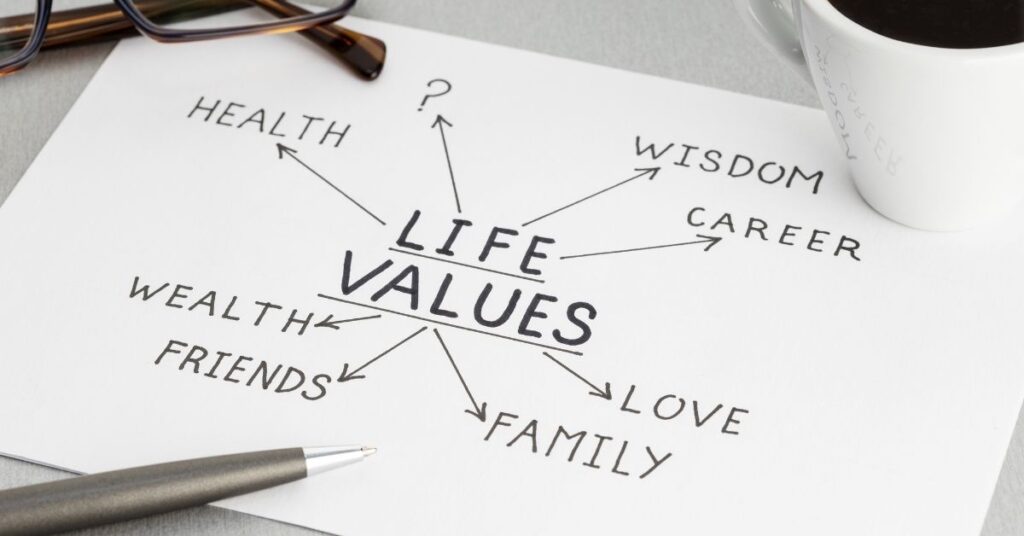
Your core values are the principles that shape your decisions and define what feels meaningful to you. When your life aligns with your values, you feel fulfilled. When it does not, you feel disconnected.
To identify them, list what matters most to you: growth, freedom, creativity, family, contribution, stability, or learning, then narrow the list to your top five. This process strengthens self-awareness and supports living with intention.
Think about times you felt deeply satisfied versus frustrated. These moments often reveal whether your values were honoured or ignored.
5. Recognizing Your Strengths
Purpose tends to live at the intersection of what you care about and what you naturally do well. Your strengths are abilities that energize rather than drain.
Notice what people ask you for help with or what tasks put you in a state of flow where you feel fully absorbed and engaged. Strengths-based living is strongly linked to higher confidence and fulfillment.
You can also ask friends or colleagues what they see as your natural talents. Others often recognize strengths you overlook because they feel so normal to you.
6. Discovering Your Passion
Passion is not constant excitement. It is sustained interest, something you return to even when it is challenging. Ask yourself:
- What topics could I talk about for hours?
- What problems do I care about solving?
- What would I do even without recognition?
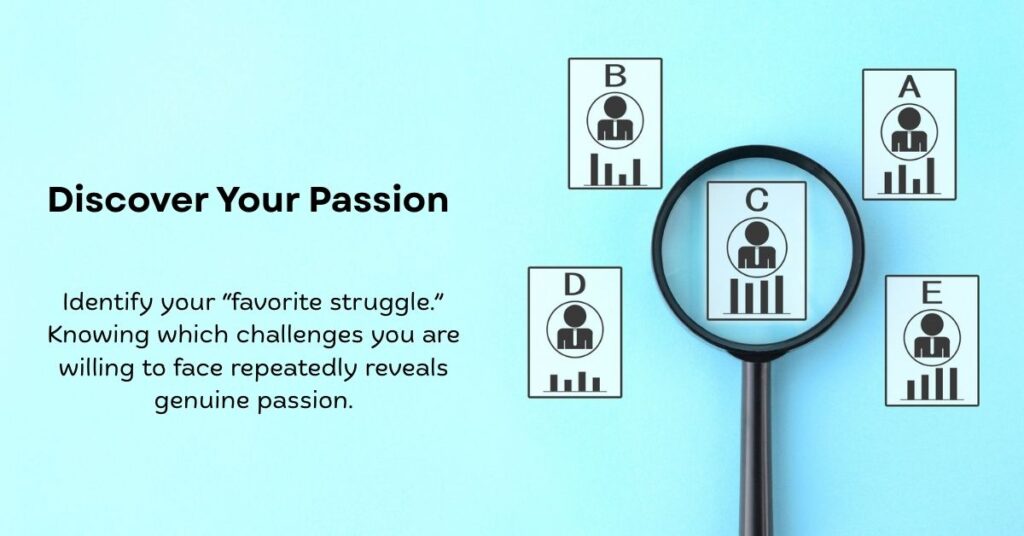
A helpful question is identifying your “favorite struggle.” Every meaningful path includes obstacles. Knowing which challenges you are willing to face repeatedly reveals genuine passion.
Understanding the deeper “why” behind what you love helps transform passion into purpose by connecting your interests to meaning and contribution.
7. Finding Your Impact
Purpose expands beyond personal fulfillment. It includes the positive difference you want to make. Think about who you want to help and what problems emotionally resonate with you.
You do not need to change the world to live purposefully. Supporting your community, mentoring others, creating helpful content, or improving people’s daily lives all count as meaningful contributions.
When you combine your values, strengths, passions, and desired impact, you reach what is often called your personal ikigai: the overlap of what you love, what you are good at, what the world needs, and what feels meaningful.
Try writing a simple purpose statement:
My purpose is to (action) for (who) so that (impact).
Treat it as a living statement that evolves with experience.
8. Testing Your Purpose
One of the biggest misconceptions is that you must feel completely certain before acting. In reality, clarity comes from experimentation.
Start small and adopt an intentional living approach by dedicating time each week to a purpose-aligned activity, volunteering, creating, mentoring, or learning a related skill. After a few weeks, reflect:
- Does this energize me?
- Does it feel meaningful?
- Am I creating value?
Use what you learn to refine your direction. This iterative process builds confidence and momentum.
9. Overcoming Obstacles
Almost everyone faces internal barriers when pursuing purpose. Self-doubt, fear of judgment, and impostor syndrome are common. Remember, your unique experiences are what make your perspective valuable.
Perfectionism can also slow progress. Purpose does not need to look impressive to be valid. Small, consistent contributions matter more than grand plans.
Time and financial constraints are real, but you do not need a drastic change. Integrate purpose gradually into your current life. Progress, not perfection, is what creates growth.
10. Living Your Purpose Daily
Purpose becomes real through daily habits. Look for ways to connect your everyday actions to what matters most.
Simple practices help:
- Setting a morning intention
- Weekly reflection
- Monthly life review
These routines keep your sense of direction visible and prevent you from drifting back into autopilot. Protecting your energy and prioritizing rest ensures your purpose remains sustainable.
11. Evolving with Your Purpose
Purpose is not fixed. Life transitions, career changes, relationships, and personal growth naturally reshape what feels meaningful. This evolution reflects deeper self-understanding, not inconsistency.
You may have multiple purposes across different roles in life, yet they often share a common theme of contribution and meaning. Revisit your purpose regularly and update it as you grow.
Living with purpose is not about finding one perfect answer. It is about continuing to ask the right questions.
Conclusion
Finding your purpose in life is a process of awareness, experimentation, and growth. It emerges when you pay attention to what energizes you, align your actions with your values, and look for ways to contribute beyond yourself.
You already have the clues: your experiences, strengths, passions, and the problems you care about solving. This guide helps you connect them into a clear direction.
Start small. Take one meaningful step this week. Purpose reveals itself not through thinking alone, but through action and reflection.
Frequently Asked Questions
What does finding your purpose mean?
It means identifying a direction that gives your life meaning, motivation, and a sense of contribution.
How long does it take to find your purpose?
There is no fixed timeline. Purpose develops through ongoing self-reflection and real-world experimentation.
Do I need to change careers to live with purpose?
No. Most people start by integrating purpose into their current lifestyle through small changes.
What if my purpose keeps changing?
That is natural. Purpose evolves as your identity, priorities, and life circumstances change.
How do I know if I am on the right path?
You will feel energized, aligned with your values, and naturally motivated to continue.

Mehwish Arshad is the founder of Grow With Meh, a personal growth platform that helps women build self-awareness, emotional resilience, and a deeper understanding of themselves. For over 10 years, she has studied psychology, mindfulness, and personal development through extensive reading, research, and lived experience.