
You’re lying in bed at 2 AM, mind racing through tomorrow’s meeting, last week’s argument, and next month’s bills. Your chest feels tight. Your thoughts won’t stop spinning. You desperately want to feel calm, but peace feels like something other people have, not you.
Inner peace is not about escaping life or waiting for perfect circumstances. It is peace within oneself, a calm and balanced state of mind where you can think clearly, feel grounded, and respond instead of react to whatever comes your way. The bottom line? You don’t need a perfect life to find inner peace. You need practical habits that build emotional balance, mental clarity, and resilience, even when life feels messy.
This guide shows you ten practical steps to cultivate inner peace and build a calmer life. Let’s make your path to lasting tranquility, one small change at a time.
What Does Inner Peace Mean?
Before diving into the how, let’s clarify what we’re building toward. Inner peace is a feeling of ease, balance, and quiet confidence inside your mind and body. It’s contentment and emotional stability that stay with you even during difficult times.
Inner peace doesn’t mean you never feel stress, anxiety, or sadness. It means those feelings no longer run your life or control your reactions. You still face problems, but they don’t overwhelm you. You experience emotions fully, acknowledge them, and let them pass without being consumed.
True inner peace is closely linked to equanimity, a calm, balanced state of mind that remains steady regardless of circumstances. When you have equanimity, you can stay centered when life throws curveballs. Someone cuts you off in traffic, you take a breath instead of screaming. Work gets stressful, you handle it without spiraling into worry.
This inner tranquility comes from acceptance, not control. You accept that some things will go wrong. You take your own imperfections. You acknowledge that discomfort is part of being human. This acceptance creates space for peace of mind, even in imperfect circumstances.
Why Inner Peace Matters
Modern life keeps your nervous system on high alert. Screens, noise, pressure, and constant comparison pull your attention in every direction. Notifications interrupt your focus. News cycles trigger anxiety. Social media feeds feelings of inadequacy. Over time, this creates chronic worry, emotional fatigue, and a complete loss of peace of mind.
The science is precise. Research on mindfulness and meditation shows that regular practice actually changes your brain structure. The areas responsible for stress and emotional reactivity shrink, while the areas that handle focused attention and emotional regulation grow stronger. Your nervous system learns to stay calm rather than constantly triggering fight-or-flight responses.
Inner peace supports physical, mental, and emotional wellbeing in measurable ways. It helps you sleep better, think with more clarity, and handle challenges with greater resilience. When your inner world feels calm, your outer life becomes easier to manage. Relationships improve. Decision-making gets clearer. You stop feeling constantly overwhelmed.
Practice Mindfulness in Every Moment
Mindfulness is the practice of paying attention to the present moment without judgment. It brings your focus back to what is happening now rather than replaying yesterday or worrying about tomorrow. Present-moment awareness is the foundation of all inner peace.
How you start your morning sets the tone for everything that follows. Most people grab their phones immediately, flooding their minds with emails, news, and social media before their eyes are fully open. This triggers stress responses from the outset.
Instead, create a simple morning ritual that grounds you in the present. This doesn’t require an hour of elaborate routines. Even five minutes can make a significant difference to your mental state throughout the day.
You can practice mindfulness while eating, walking, listening, or doing any daily task. When eating, notice the texture, temperature, and flavors. Really taste your food instead of scrolling while you chew. When walking, feel your feet touching the ground with each step. Notice your surroundings: colors, sounds, the feeling of air on your skin.
This simple habit builds present moment awareness and gently trains your mind to slow down. It’s like giving your brain a mini vacation throughout the day, and the effect builds over time, fostering a sense of inner peace.
Use Your Breath to Calm Your Mind Fast
Your breath is one of the fastest ways to move from stress to peace. When anxiety hits, breathing becomes shallow and rapid, signaling danger to your nervous system and increasing panic. Conscious breathing interrupts this cycle by signaling safety, helping your body shift from fight-or-flight to calm within minutes.
One powerful method is the 4-7-8 breathing technique. Inhale through your nose for four counts, hold for seven, then exhale slowly through your mouth for eight. Repeat three to four times. This activates the parasympathetic nervous system, slowing your heart rate, relaxing muscles, and clearing your mind.
If counting feels difficult, try simple deep breathing. Inhale slowly through your nose, letting your belly expand, pause briefly, then exhale gently through your mouth. Practice this three times daily, even when calm. Over time, your breath becomes a natural pause button, always available to anchor you back to peace.
Meditation Practice
Meditation helps you build inner tranquility by training focused attention. It’s one of the most powerful tools for cultivating inner peace, and it doesn’t require long sessions, perfect posture, or complete silence.
Here’s the truth most people miss: Two minutes of meditation counts. Even a few quiet minutes each day can create lasting change. Sitting at your desk, closing your eyes, and noticing your inhales and exhales for 120 seconds builds the same mental muscles as longer sessions. The key is consistency, not duration.
This meditation practice creates lasting changes in your brain. Regular meditators show increased activity in areas associated with attention, compassion, and emotional regulation. They also show decreased activity in the amygdala, the brain’s fear center.
Acceptance Over Resistance
Many people lose inner peace by fighting reality. They resist what’s happening, argue with circumstances, or desperately wish things were different. This resistance compounds suffering.
Acceptance does not mean giving up, becoming passive, or being okay with harmful situations. It means recognizing what is happening without pushing against it. When you accept your feelings and conditions, your mind relaxes. You stop wasting energy on battles you cannot win.
The practice of acceptance creates emotional balance. You’re not pretending problems don’t exist. You’re choosing to work with reality instead of exhausting yourself fighting it. This is how you find peace within oneself, even during tough times.
Cultivate Self-Love and a Positive Mindset
Your brain has a negativity bias. It’s wired to notice threats and problems more than blessings. This kept your ancestors alive, but makes modern peace harder. Building a positive mindset helps counteract this natural tendency.
A positive mindset does not mean ignoring pain, forcing happiness, or pretending everything is fine when it’s not. It means choosing thoughts that support peace rather than fear. It means treating yourself with self-love and compassionate awareness instead of harsh criticism.
Set Clear Boundaries and Practice Self-Care
You can’t build inner peace while constantly saying yes to things that drain you. Inner peace grows when you protect your energy and decide what deserves your time and attention. Without boundaries, stress and resentment slowly build until you feel completely depleted.
Boundaries aren’t selfish. They’re essential for maintaining emotional balance and peace of mind. Taking care of your physical, mental, and emotional wellbeing isn’t a luxury. It’s a necessity. Say no when needed. Limit exposure to negative media or draining conversations. These small acts of self-care create space for the practices that actually build peace.
Don’t forget to set aside time for yourself every day. Not only do you deserve it, but it’s also a meaningful way to cultivate the self-love that leads to inner peace.
Connect With Nature and Peaceful Spaces
Nature has a powerful calming effect on the mind and body. Research shows that even short moments outside can lower stress hormones, reduce anxiety, and bring mental clarity. You don’t need a forest or beach to benefit from this natural source of peace.
Sit near a window with sunlight. Walk in a park. Care for plants on your windowsill. Do some gardening, even if it’s just a few potted herbs. Watch the clouds float by. Listen to nature soundscapes. Even viewing images of natural scenes can trigger a relaxation response in your brain.
When possible, combine movement with nature. A 10-minute walk outside gives you double benefits: physical activity that processes stress hormones plus the calming effect of natural surroundings. Trees, fresh air, and natural light all support your nervous system’s ability to find balance.
Practice Gratitude as a Daily Ritual
Gratitude shifts your focus from what is missing to what is already here. This simple habit builds contentment and emotional resilience over time. It’s one of the most researched practices for improving wellbeing and cultivating inner peace.
This practice trains your brain to actively search for good throughout the day. You start noticing small, beautiful moments you’d usually miss—your attention shifts from what’s wrong to what’s working, even on difficult days. Gratitude creates ease within oneself and softens anxious thoughts.
Release Mental Clutter Through Journaling
Journaling helps you release mental clutter and gain clarity. Your mind carries countless thoughts, worries, and observations throughout the day. Writing down thoughts enables you to process emotions rather than keep them to yourself.
Journaling also helps you recognize patterns in your thinking and behavior. You might notice that certain situations always trigger anxiety. Or that you feel most peaceful after specific activities. This self-awareness is powerful for building lasting peace within oneself.
Replace Self-Criticism With Self-Compassion
Inner peace cannot grow under constant self-judgment. Self-compassion means responding to mistakes with kindness instead of attack.
When harsh thoughts appear, pause. Breathe. Speak to yourself the way you would to a friend. This practice builds acceptance and emotional resilience.
Self-compassion does not weaken accountability. It strengthens it by removing shame and allowing growth.
Move Your Body to Release Stored Stress
Your body holds tension and stress physically—tight shoulders, clenched jaw, knotted stomach. You can’t think your way out of this physical stress. You have to move it out.
Exercise isn’t just about fitness. It’s about emotional regulation and mental clarity. When you move, you process stress hormones, release endorphins, and give your racing thoughts a break. Even gentle movement works.
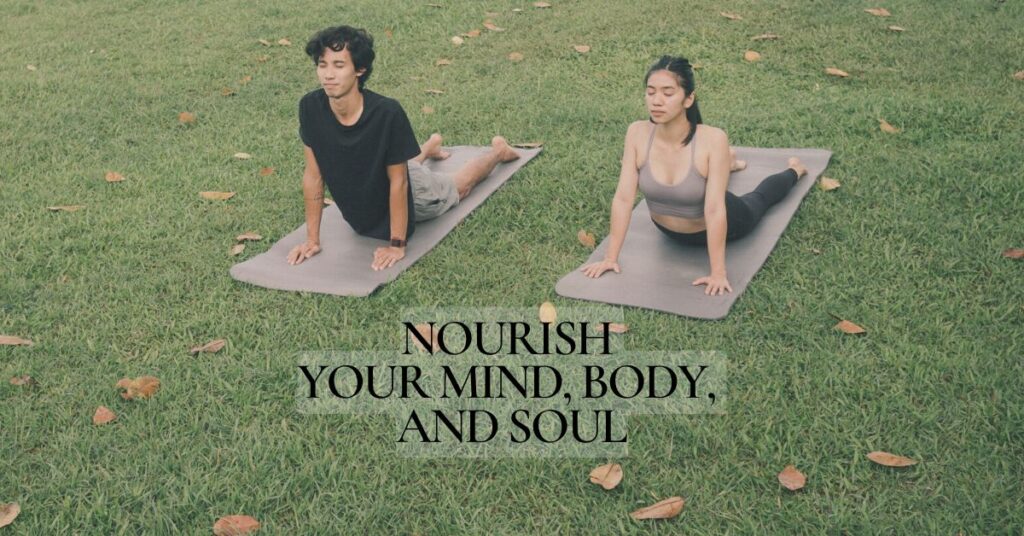
You don’t need intense workouts or gym memberships. A 10-minute walk around your neighborhood works. Gentle yoga stretches in your living room. Dancing to your favorite song in your kitchen. Swimming. Stretching. The key is regular movement, not perfect performance.
Strengthen Relationships That Support Calm
Human connection influences emotional balance. Supportive relationships create safety and contentment.
Spend time with people who respect your boundaries and support growth. Practice mindful listening. Be present without distraction.
Sometimes peace means stepping away from relationships that create constant stress. This choice protects your emotional health and supports long-term calm.
The Bottom Line on Finding Inner Peace
Inner peace is not a destination you reach once and keep forever. It is a practice you return to again and again, through mindfulness, meditation, acceptance, and self-care. Through conscious breathing and compassionate awareness toward yourself.
Start small. Be kind to yourself. Choose one or two practices from this guide and begin today. Not tomorrow. Not when life calms down. Not when you have more time. Now, in this moment, with whatever you have available.
FAQs
How Do I Find Inner Peace During Stressful Times
You can find peace within oneself during stressful times by returning to simple, grounding habits. Focus on your breath using techniques such as 4, 7, 8 breathing; practice acceptance of what you cannot control; and stay anchored in the present moment. Inner peace is not about removing stress, but about responding to it with calm, resilience, and emotional balance.
What Is an Example of Inner Peace
An example of inner peace is staying calm during conflict or stress without being overwhelmed by emotions. You pause, breathe, and respond thoughtfully rather than react impulsively. Inner peace also manifests as a sense of grounding and contentment, even when life is imperfect or circumstances are challenging.
What is the distinction between inner peace and internal peace?
Inner peace and internal peace are the same. Both describe a calm, balanced state of mind in which thoughts and emotions feel steady rather than chaotic. The term you choose does not matter as much as the daily practices that help you build peace within yourself and maintain peace of mind.