Personal development often fails because people focus on one area while ignoring the rest. True personality development requires balance, because reading books may improve the mind, but emotional stress, poor health, or weak relationships can still hold you back.
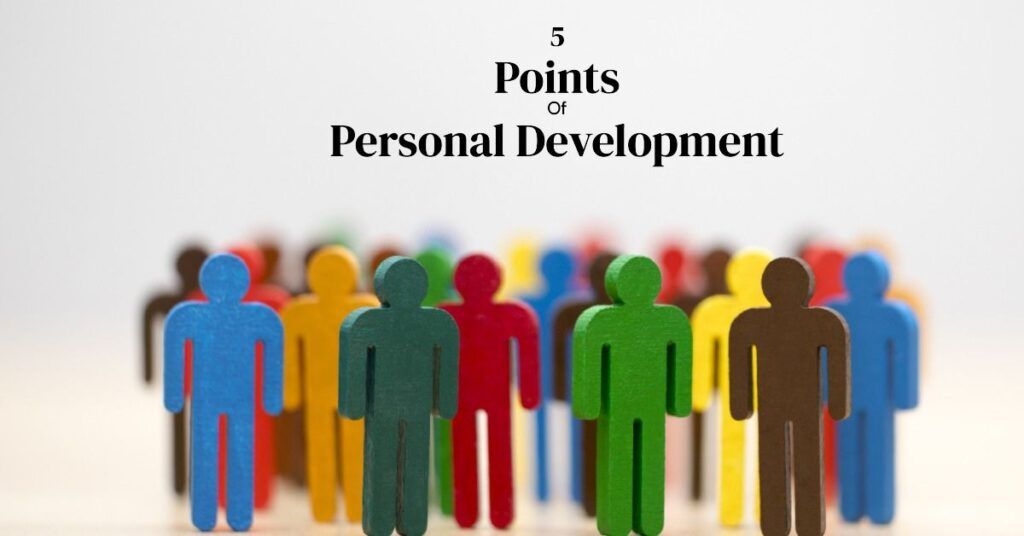
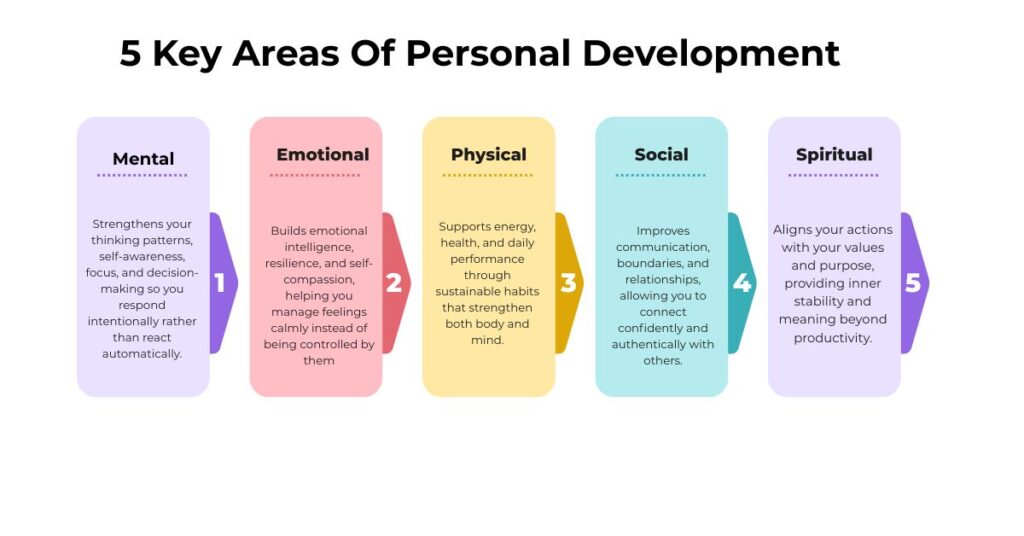
The five points of personal development are mental, emotional, physical, social, and spiritual growth. These five areas work together to determine how you think, manage emotions, maintain energy, connect with others, and stay aligned with your core values.
When all five areas develop together, personality development and personal growth become stable and sustainable rather than temporary and fragile.
Why Balanced Development Matters
Focusing on just one or two areas of personal development creates an unstable foundation. Mental clarity means little if chronic stress overwhelms your emotional state.
Strong relationships lose their value when poor physical health drains your energy and presence.
The five stages of personal development represent the complete human experience, encompassing thoughts, emotions, physical well-being, relationships, and life purpose.
True growth happens when these areas strengthen together, creating resilience that lasts through challenges and setbacks.
1. Mental Growth
Mental personal development focuses on how you think, interpret situations, and solve problems. It includes self-awareness, mindset growth, cognitive skills, and the ability to manage thought patterns that either support or sabotage your goals.
Strong mental development helps you recognize limiting beliefs before they shape your behavior.
Instead of reacting automatically to challenges, you learn to pause, evaluate your thoughts, and choose more effective responses. This mental clarity directly improves focus, decision-making, and long-term consistency across all areas of life.
2. Emotional Growth
Emotional personal development centers on understanding and regulating emotions—not suppressing or ignoring them.
This area includes emotional intelligence, self-control, empathy, and emotional resilience that help you navigate difficult situations without losing balance.
When emotional growth is weak, minor frustrations feel overwhelming and trigger impulsive reactions. As emotional awareness improves, you respond to challenges with calm and intentionality rather than emotional volatility.
This development also builds self-compassion, helping you support yourself through setbacks instead of spiraling into destructive self-criticism.
3. Physical Growth
Physical personal development focuses on energy management, health optimization, and body awareness. It includes sustainable movement, adequate rest, proper nutrition, and daily routines that support your physical vitality rather than deplete it.
Poor physical health consistently reduces motivation, mental focus, and emotional stability. When your body receives proper care through consistent habits, mental and emotional development become significantly easier.
Physical growth isn’t about achieving a certain appearance or following extreme routines; it’s about building practices that support strength, presence, and daily performance.
4. Social Growth
Social personal development focuses on how you relate to others and build meaningful connections.
This area includes communication skills, setting healthy boundaries, emotional awareness in relationships, and the ability to build authentic connections without losing yourself.
Weak social development often manifests as either people-pleasing behaviors or complete avoidance of connection.
Strong social growth helps you express your needs clearly while respecting others’ boundaries and perspectives.
This development improves confidence, creates emotional safety in relationships, and often reflects your inner development; healthy relationships typically mirror healthy internal growth.
5. Spiritual Growth
Spiritual personal development focuses on meaning, personal values, and inner alignment with what truly matters to you.
This area doesn’t require religious belief, but it does require honest self-reflection and clarity about your life direction.
Spiritual growth helps you understand what genuinely matters beyond external achievements and social expectations.
Your decisions become guided by authentic values rather than fear, pressure, or shallow desires.
This development provides inner stability during uncertainty and connects your personal growth to a deeper purpose rather than just productivity or achievement.
Practical Tips for Personal Development
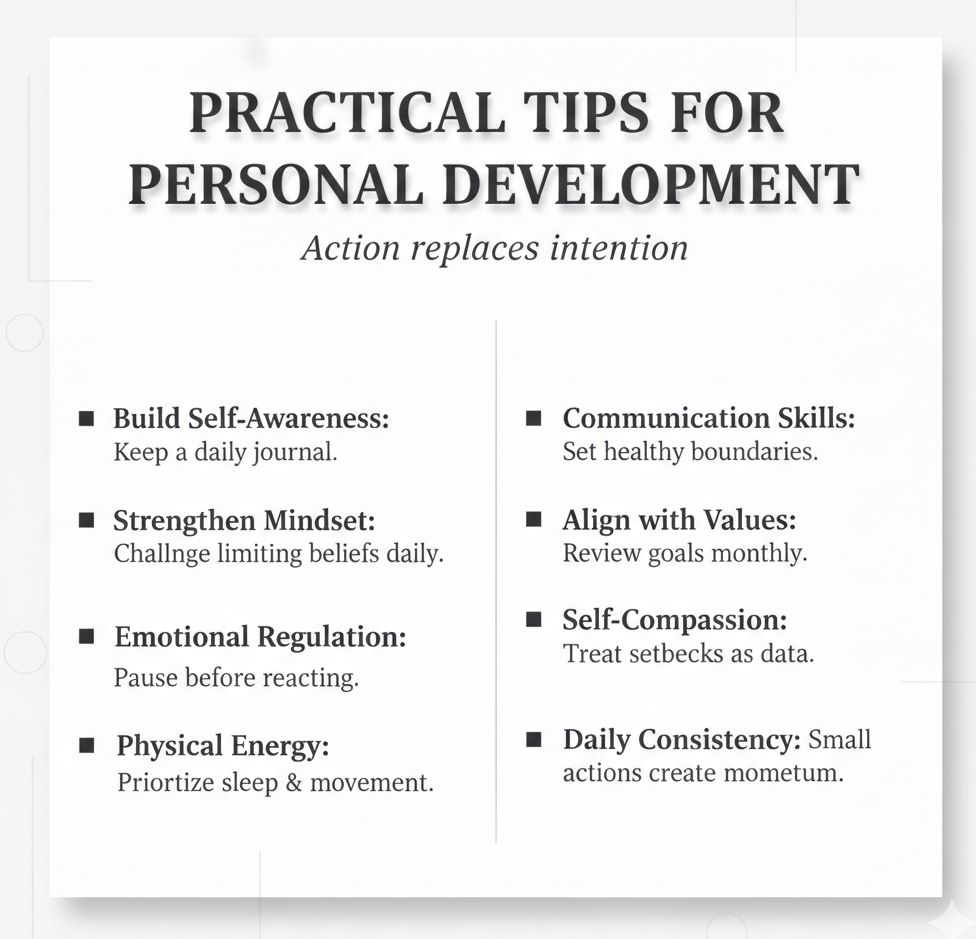
Personal development improves when action replaces intention. Growth requires small, consistent behaviors across mental, emotional, physical, social, and spiritual areas.
1. Build Self-Awareness
Start by observing your thoughts, emotions, and habits without judgment.
Self-awareness strengthens mental clarity and reveals patterns that limit personal growth.
Keep a short daily reflection journal. Writing increases cognitive awareness and improves emotional regulation.
2. Strengthen Your Mindset
Challenge one limiting belief at a time. Replacing negative self-talk with realistic thinking builds resilience and confidence. Expose yourself to new ideas through reading or learning new skills. Continuous learning sharpens mental flexibility and decision-making ability.
3. Regulate Emotions
Take a moment to pause before responding in stressful situations. This simple habit strengthens emotional intelligence and self-control. Practice naming your emotions clearly. Labeling feelings reduces emotional overwhelm and improves self-understanding.
4. Support Physical Energy
Personal development requires physical support. Sleep, movement, and balanced nutrition directly affect focus and motivation. Start with manageable routines instead of extreme changes. Consistency builds discipline more effectively than intensity.
5. Develop Communication Skills
Healthy social development depends on clear communication. Practice expressing needs directly without aggression or avoidance. Set healthy boundaries in conversations. Boundaries protect emotional energy and improve relationship quality.
6. Align With Values
Spiritual personal development begins with clarity about your values. Ask yourself what truly matters instead of following external pressure. Review your goals monthly. Alignment between actions and values creates long-term fulfillment.
7. Practice Self-Compassion
Growth includes mistakes and slow periods. Self-criticism weakens emotional resilience and confidence. Consider failures as data rather than failures. Reflection improves adaptability and long-term personal development.
8. Stay Consistent
Large goals feel overwhelming without structure. Small daily habits create momentum and discipline. Consistency builds identity. When growth becomes part of your routine, personal development feels natural instead of forced.
How Do the 5 Points Work Together?
The five areas of personal development are deeply interconnected and mutually reinforcing.
- Mental clarity supports emotional balance by helping you recognize and challenge unhelpful thought patterns.
- Physical health sustains the energy and focus required for mental and emotional growth.
- Social development strengthens emotional intelligence through real-world practice and feedback.
- Spiritual development provides direction and meaning to mental, emotional, and physical efforts, preventing you from working hard without purpose.
Ignoring even one area creates an imbalance that eventually undermines progress in all other areas.
Final Thoughts
Understanding the 5 points of personal development gives structure to self-growth.
Mental, emotional, physical, social, and spiritual development support each other.
Personal development is not about changing who you are. It is about becoming more aware, aligned, and intentional.
When these five areas grow together, growth becomes sustainable. That is the foundation of real personal development.

Mehwish Arshad is the founder of Grow With Meh, a personal growth platform that helps women build self-awareness, emotional resilience, and a deeper understanding of themselves. For over 10 years, she has studied psychology, mindfulness, and personal development through extensive reading, research, and lived experience.